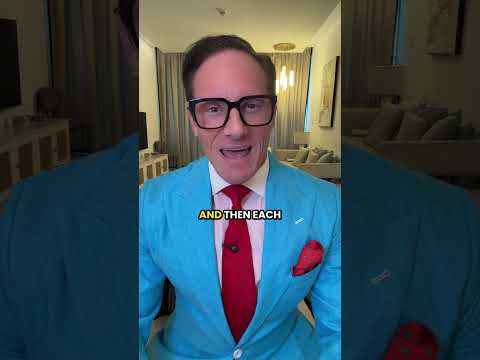




“Your network is your net worth.”
In memoriam: Jamal Edwards MBE (1990–2022) was the British music entrepreneur who founded SB.TV as a teenager and helped launch the careers of artists including Ed Sheeran, Jessie J and Stormzy; London Real remembers him.
In short: Jamal Edwards was the founder of SB.TV, the YouTube channel he started in 2006 by filming friends rapping on his estate, which grew into one of the most influential platforms in British music. In this 2016 conversation, recorded in London ten years after he opened his YouTube channel, Jamal told Brian Rose how he taught himself to edit and fought for a YouTube partnership, how a Google Chrome advert made him a public figure, and how he built a team. He also spoke about his MBE, meeting Ed Sheeran and Dr Dre, youth violence, and his mother’s cancer.
Key takeaways
- Start for the passion, not the money. Jamal worked at Topman while SB.TV grew and told young people that passion, not the dream of being rich, is what carries you through the years before a business pays.
- Your network is your net worth. He met Simon Cowell and Richard Branson simply by walking up and asking for an email address, and argued that the worst anyone can say is no.
- Build on a platform, but do not rely on it. YouTube was SB.TV’s distribution engine, but he urged creators not to put all their eggs in one basket and to build other revenue and a presence on every platform.
- Partnership over ownership. He described his work with artists such as Ed Sheeran as symbiotic: they brought the talent, he brought the platform, and each brought the other an audience.
- Less is more. By 2016 he chose fewer, more meaningful appearances and asked of every project whether it ticked the ‘Self Belief’ box.
- Execute, control and own. His advice to his younger self was to get order and infrastructure in place early, and to own the rights, content and intellectual property behind the work.
- Positivity as a practice. Watching his mother sing on the way to chemotherapy convinced him that a positive mindset is something you can choose and that it changes outcomes.
A YouTube pioneer from the start
Jamal Edwards opened his YouTube channel in November 2006, aged 16, and by the time he sat down with Brian Rose ten years later SB.TV had generated hundreds of millions of views. He told Brian that his first videos were simply his friends rapping on the estate, filmed on a long NEC camera phone and edited in Windows Movie Maker. Classmates thought he was mad for uploading clips with nothing funny in them.
With few video tutorials available, he learned by trial and error, writing down the specification of every upload until he had found the perfect frame for YouTube. He saw a gap in the market: most music on the platform at the time had been ripped from television, while his content was made by his friends, so he was free to upload it.
The Google Chrome advert and building a team
Jamal said he never set out to be in front of the camera. That changed in 2011, when Google made a Chrome advert about his story that ran in the first ad break of The X Factor. He described it as a surreal moment that separated the person from the brand and gave SB.TV the platform to scale. Around the same time he left his job at Topman and began building a team.
He described that team as having grown organically, often from people who had passion rather than degrees, and he was proud that former staff had gone on to Vice, Apple and HBO. He also explained that he had been turned down for a YouTube partnership three times before persuading the company to let him share in advertising revenue.
Money, authenticity and growth
Asked about the headlines calling him a millionaire at 22, Jamal said money comes and goes and that young people should not start for the money. He wanted to grow, but at a steady pace and in a credible way, keeping the authenticity that had made SB.TV matter to a generation who had grown up with it.
He talked about using YouTube as a distribution platform rather than relying on it for income, and about the need for a curated voice on each platform, from Facebook to Snapchat. Scale, for him, meant finding partners in other countries, and he spoke about his ambition to take SB.TV to America while respecting its regional differences.
Your network is your net worth
Much of the conversation turned to the people around him. Jamal described simply walking up to Simon Cowell after a talk and asking for his email address, and meeting Richard Branson after winning a Virgin competition. He spoke about hosting the first social media hub at Buckingham Palace for the Queen’s Young Leaders programme, talking to Prince Harry at a polo match and being present for Prince Charles’s first tweet through the Prince’s Trust.
He explained what his MBE for services to music meant to him, describing it as recognition for everyone who had contributed to SB.TV. He also described mentoring young entrepreneurs on a Virgin Trains business clinic, and his belief that young people now feel they can become entrepreneurs in a way they could not a decade earlier.
Ed Sheeran, Dr Dre and the work behind success
Jamal told the story of filming an early video with Ed Sheeran, a step outside the grime scene that his audience did not expect, and called the relationship that followed a partnership. He also described spending a week filming with Dr Dre on a promotional tour in Asia, losing much of the footage because he had tried to do everything alone, and learning to ask for a producer and director.
Seeing how hard Dre and his team still worked convinced him that people would not want to be at the top if they knew the effort involved. He also spoke about the Press Association-backed SB.TV news service and the Undivided campaign, arguing that young people are not apathetic about news and should educate themselves so they ‘don’t get shafted’.
Family, youth violence and a positive mindset
Jamal spoke openly about his mother Brenda’s diagnosis with cancer that year and her recovery, about a young friend from the Teenage Cancer Trust who had died, and about how the experience made him appreciate life and live in the now. He said youth violence in London was the thing that bothered him most, and that he was still working out what he could do about it.
He closed with advice to his younger self: get order and infrastructure in place, and execute, control and own. His final message to young viewers was to start because of a passion, not the money, and to keep going through the years when the money does not come.
Frequently asked questions
Jamal Edwards MBE (1990 to 2022) was a British entrepreneur from Luton who grew up in Acton, west London. He founded the online music channel SB.TV in 2006 as a teenager, and it became one of the most important platforms in British urban music, helping to launch artists including Ed Sheeran, Jessie J, Stormzy and Emeli Sandé.
Jamal Edwards appeared on London Real in November 2016, ten years after he first opened his YouTube channel. The conversation with Brian Rose was recorded in London.
Jamal Edwards died on 20 February 2022 in London, aged 31. His family announced that he had died after a sudden illness.
SB.TV was the online music platform Jamal Edwards launched on YouTube in 2006. It began with footage of his friends rapping and grew into a channel featuring grime, rap and pop artists, with hundreds of millions of views. The name came from his early rap name, SmokeyBarz.
In the interview Jamal explained that he came across a video of Ed Sheeran rapping, singing, beatboxing and playing guitar, and decided to film him even though it was different from the grime content his audience expected. The video helped introduce Ed to a wider audience, and Jamal described the relationship as a partnership.
Jamal Edwards was appointed MBE for services to music through SB.TV. In the interview he said it was a nod to his parents, his family and everyone who had contributed to SB.TV, and a message to young viewers about what they could achieve.
He told young people to start because of a passion and not for the money, to keep going even if a business does not pay for the first few years, to approach people without fear, and to execute, control and own their work, including its rights and intellectual property.
Jamal Edwards wrote Self Belief: The Vision, first released as an interactive ebook and later published in print. In the interview he described it as a pioneering project for a YouTuber at the time.
His mother is Brenda Edwards, the singer and television presenter who came fourth on the second series of The X Factor. In the interview Jamal spoke about her cancer diagnosis and her positivity during treatment.
Full transcript
Read the full transcript of Brian Rose’s interview with Jamal Edwards
00:00:00 Opening clips and introduction
Jamal Edwards: Just educate yourself. That’s one thing, from the bottom of my heart: educate yourself on today’s society so you don’t get shafted. People should not be scared to approach people. Your network is your net worth. I’ve realised that much more now.
Jamal Edwards: I hosted the first ever social media event in Buckingham Palace.
Jamal Edwards: I always believe in positive energy. What you put out, you get back. When my mum got diagnosed with cancer, the whole thing was positivity: singing in the car on the way to chemotherapy, being so bright and cheerful. That’s sort of how I am now, a stable, positive mindset.
Jamal Edwards: At this current precise moment in time I’m focused. I’m living in the now. I feel good, good, good. I feel good, good, good. That’s what it’s about.
Brian Rose: We are here at beautiful Old Street Station in Shoreditch, London, right near London Real studios, and this week on the show we have Mr Jamal Edwards, who created SB.TV. This young man, when he was 16 years old, started recording his friends rapping on his handycam. He started out with grime, then moved on to other music. He was a millionaire by the time he was 22 years old and now runs a company reportedly worth eight to ten million pounds.
Brian Rose: He hangs out with the royals, he counts Richard Branson and Simon Cowell among his friends, and he’s a fascinating young man because he understands new media like nobody else does. That’s why everybody wants a piece of Jamal. We sat down for his best interview ever. We went deep. We talked about how he dealt with his mother’s cancer, how he scales his organisation and what he sees as the future of SB.TV. So sit back and take notes if you’re an entrepreneur, and if you’re into anything digital, because Jamal dropped some serious science here.
00:02:36 London Real Academy promo
[London Real promo removed]
00:04:05 Welcome, and ten years on YouTube
Brian Rose: This is London Real. I am Brian Rose. My guest today is Jamal Edwards, the British music broadcaster and digital entrepreneur. You’re the founder of SB.TV, the online music company that began by publishing amateur footage of British grime artists like Dizzee Rascal, Wiley and Chipmunk, and later added pop artists like Ed Sheeran, Jessie J and Nicki Minaj. You’ve generated hundreds of millions of views and launched your own music label, Just Jam, as well as your best-selling book and interactive game, Self Belief: The Vision. You are good friends with Sir Richard Branson and recently teamed up with his Virgin Trains business clinic to mentor up-and-coming entrepreneurs. Jamal, welcome to London Real.
Jamal Edwards: Hello. You like that, right? Some people say I should just do that.
Brian Rose: Look, it’s nice to have a fellow YouTuber in the building. I actually checked last night, and the very first video I uploaded was February ’07.
Jamal Edwards: Yeah, that’s the same time.
Brian Rose: It’s crazy. It was actually a personal video. I was down in South Africa going on safari, and now that I look at it, it was kind of vloggy, just me holding the camera. I was kind of comfortable uploading stuff early on, but it wasn’t until four years later that we started uploading for London Real.
Jamal Edwards: Yeah, it’s mad, because I opened my YouTube channel ten years ago today. November 2006, November the second.
Brian Rose: Is it?
Jamal Edwards: Yeah. Obviously I deleted all the videos because they were amateur, me filming random videos in my back garden, of my mum.
Brian Rose: You deleted them?
Jamal Edwards: Yeah, I deleted them, so the first official video is actually February ’07.
Brian Rose: Okay, but you were doing it ten years ago. I remember hearing somebody say “YouTube” in one of the martial arts gyms, and that’s the first time I heard it. Did you have any idea what it was all about? There was nobody really uploading then. I think a lot of people didn’t understand it, or maybe were a little self-conscious. Do you remember what it was?
Jamal Edwards: Yeah, I was in ICT, and it was just a lot of funny videos. I was just watching funny videos online, like “Charlie Bit My Finger”, all those sorts of crazy funny videos, and I’d send them round the class.
Brian Rose: Okay, and for the Americans, ICT is computer class.
Jamal Edwards: Yeah, for Americans, it’s computer class. That’s where you could go on YouTube and browse the internet. And if it wasn’t YouTube, it was Neopets, where you look after your own little pet. Those were the two sites.
Brian Rose: And was YouTube big in your class?
Jamal Edwards: It was big in our class. I don’t know if it was big in the grand scheme of things, not as high as now, but in our class and in our school it was quite big.
Brian Rose: Were you the only one uploading out of your friends, or were there a lot of people?
Jamal Edwards: I was the only one uploading. I don’t think our phones could do that. We used to have these long phones with a camera on top, NEC phones, but that wasn’t the sort of equipment you could upload a good-quality video from. When I started uploading, everyone thought I was crazy. They were like, “What are you filming? There’s nothing funny about it.” And it was just my friends rapping on the estate.
Brian Rose: Right, and you filmed it with the NEC phone first?
Jamal Edwards: Yeah, the NEC, the long one.
Brian Rose: And you’d pop the card out and stick it in the computer?
Jamal Edwards: Yeah.
Brian Rose: Remember floppy discs?
Jamal Edwards: Yeah. I couldn’t have put any videos on floppy discs, but I remember my PC took a floppy disc. And it was Windows Movie Maker.
Brian Rose: That’s what you started editing on, and you taught yourself that. There probably weren’t many videos on YouTube even showing you how to do that at that point.
Jamal Edwards: No, there was a lot of stuff on Google, just tutorials, step by step. There weren’t really that many video tutorials. It was a lot of trial and error: editing it, uploading it, seeing it, writing it down.
Brian Rose: Writing down the spec? Was that 1920 by…
Jamal Edwards: Way back in the day it was four by three. I used to write down every spec and what size the file was, again and again and again, so I’d got the perfect video frame on YouTube.
Brian Rose: Right, because it wasn’t that user-friendly back then. It would pull the thumbnail from the middle of the video, and there was a 15-minute limit.
Jamal Edwards: Yeah, it was short, because some of my videos were over long and they just didn’t get allowed.
Brian Rose: Right. You met Chad Hurley, one of the creators?
Jamal Edwards: Yeah, through Patrick Walker. I had dinner with him and then just stayed in touch with him. Really cool guy, just real.
Brian Rose: You’re like, “You’re the guy that created YouTube.”
Jamal Edwards: Yeah, I was just like, wow.
Brian Rose: People forget that in YouTube’s early days they were fighting copyright battles. People were uploading content, certain people they were allowing to upload content, and Hollywood was kind of fighting them. Then at some point it got critical mass, they stopped fighting them and started using YouTube as a device. And then Google bought them, and it really changed the game.
Jamal Edwards: Yeah, Google bought them in November 2006, I remember that. And even now, with the trials and tribulations YouTube has been through, they’ve just signed off a big deal in Germany, a massive music copyright deal, literally yesterday or the day before. So it’s always progressing, and I think that’s the way you learn: trial and error, and then you keep improving it.
Brian Rose: What do you think of YouTube today as opposed to ten years ago?
Jamal Edwards: YouTube today has a lot of content out there, so you have to make sure your content punches way above its weight. And I think it’s always improving. Today I’m going into the channel and improving the playlists, the tagging, the thumbnails. I’ve got thousands of videos online, so I’m always trying to make sure it’s the most user-friendly for users coming onto YouTube.
Brian Rose: So the tools you have now are much more sophisticated?
Jamal Edwards: Yeah, they’re nice. You can make a YouTube channel really clean. That’s what I’m doing today, so it’s good.
Brian Rose: Do you have one channel or multiple?
Jamal Edwards: I’ve got the one main SB.TV channel. I’ve always tried to dibble and dabble in a personal vlog channel, but the SB.TV one is the most consistent. There are other channels in there, but the consistent one is SB Music.
Brian Rose: Most YouTubers I meet are actually introverted. That’s a funny thing, and I’d say I am too. I think for a lot of them this is the way they find they can communicate with the world and share their point of view. Was that always the case with you?
Jamal Edwards: In the early days, yeah. It was just a platform. It was the easiest platform: I could film my friends, upload it straight away and send it to them. I felt that was the most important thing, because the people in my class, in my year, I could get the videos to them. I was looking at Dailymotion and all these other video hosting websites, and YouTube just seemed the most relatable to what I wanted to do.
Jamal Edwards: Plus I saw a gap in the market. There weren’t really that many original music content channels on there. There was a lot of music content that might have been ripped or filmed for TV, and I think that was the big copyright issue. But the stuff I wanted to do was made by my friends, produced by my friends, so I had the freedom to upload it.
00:11:24 The Google Chrome advert and the long road
Brian Rose: Okay, and you never wanted to be in front of the camera?
Jamal Edwards: No. Obviously I did with the Google Chrome advert, when everyone got to know who I was. But before that it was just about the new people I wanted to show. I didn’t really want it, I wasn’t that sort of out-there person. Then the Google Chrome advert threw me into the public eye. I don’t regret it, I love that advert, I still use it today. And I think there comes a time when you have to separate your brand from yourself, Jamal from SB.TV.
Brian Rose: Okay. And that basically happened in 2011?
Jamal Edwards: Yeah, roughly.
Brian Rose: And that was the separation of the two, and you were happy about that?
Jamal Edwards: Yeah. I started to scale up, started to get a team on board, and I left Topman. I was working at Topman. That’s where it really started to grow, and everyone was looking at SB.TV.
Brian Rose: How many people saw that Google Chrome advert?
Jamal Edwards: It was millions. It came out in the first ad break of…
Brian Rose: Was it the Super Bowl equivalent?
Jamal Edwards: The Super Bowl equivalent: the first ad break of The X Factor that year. I think that was the One Direction and Little Mix year.
Brian Rose: Okay. And Google came to you and said, “We love your story, we want to make this thing”?
Jamal Edwards: Yeah, they thought it related to the UK audience a lot, and it did. It was one of the most successful adverts that year. It was another surreal moment, because before that it was Lady Gaga and Justin Bieber, and I thought, what am I going to do in a Google Chrome advert? But my story related, and it was good. BBH was behind it, and they got me involved in the whole creative process as well.
Brian Rose: And was that film of your mum actually her? Is that old footage or new footage?
Jamal Edwards: It was a mixture. That one, I think, was old footage. I’d mess about, I used to film everything like that.
Brian Rose: A lot of people look at your success, and at London Real, which we’ve been doing for five years, and they think it was overnight.
Jamal Edwards: Yeah. It looks overnight, but there’s a saying that it takes five years, or ten years, whatever, to be an overnight success. Me personally, I was talking to Darcus Beese, the president of Island Records, and he was saying it’s ten years till half a career. So I’m at my ten years, I’m at my halfway point. I don’t even think I’ve done what I’m wanting to do. I think I’ve done a lot over these ten years, but the next five to ten years as well, I’m ready for that.
Brian Rose: And you’ve always been one not to rest on your laurels. Are you the kind of guy that doesn’t… We have a term around here called “popping bottles”, and I’m really bad at it. I never really acknowledge when we’ve done good work. I’m always like, “We’ve got so much more to do.” Is that what you’re like, or do you acknowledge things but just keep it moving?
Jamal Edwards: I acknowledge things and I keep it moving. Part of my team might create a sick interview, or a video does really well, or I do a personal interview, or something good happens around me, my friends or my team. I acknowledge it and I just keep on going, because you can’t get held up too much in that congratulations, that celebrating sort of thing. So I just keep on moving.
Brian Rose: Right, and you seem to always keep moving. It doesn’t seem like you take a spin off this way or that way.
Jamal Edwards: I think I do. I go off on a tangent sometimes, but at this current precise moment in time I’m focused. It’s like The Power of Now. I’m living in the now.
Brian Rose: Right, and you said in the past you didn’t always think that way, five or ten years ago.
Jamal Edwards: Yeah, you can forget to be in the now. I’ve just learned to really appreciate what’s going on now more than anything.
00:15:27 Building a team, money and staying grounded
Brian Rose: Can you tell me what it’s like managing a team? It’s a big difference to go from a solo YouTuber to where there are people around you, and I know you said it happened right around the time of that Google advert. It’s a whole other game. I’ve had some big entrepreneurs in here, about a hundred tech CEOs, and one of them said, “Brian, a CEO has to do three things,” and I’m curious if you agree. He said: one, you have to have a North Star, a vision. Two, you have to not run out of money. And three, you have to hire. He said those are really your three jobs. I always thought that was an interesting way of looking at it, if you had to break it down. Do you agree with that?
Brian Rose: Do you find that you did those three things at different points in your career?
Jamal Edwards: Yeah, I feel like I did those three things at different points in my career, definitely. Having a team: I wouldn’t be where I am today if I didn’t have a good team, and the team that’s with me now and the ones who have been with me in the past have always made me who I am. I’ve always said that if you’ve got a team that understands and believes in your vision, you can run the world, essentially. And I’ve always believed in “together everyone achieves more”. I love that one.
Jamal Edwards: So yeah, I do agree with that, over a period of time, because I’ve done it in a very organic way. I didn’t sit there when I was 15 or 16 and say, “I’m going to have these people working for me and I’m going to build it.” Everything that’s happened has happened, and I’ve had to learn and deal with it through trial and error, ups and downs, and learn on the path.
Brian Rose: Some of your staff members you got through a tweet: “Can you help me out with this?”
Jamal Edwards: Yeah, everything’s been organic. I don’t believe in forcing things. Now obviously things are a bit more in order, but as I was growing it, that’s what I loved about it. No one really had degrees, they just had the passion, and I’ve always gone for that more than degrees and qualifications.
Brian Rose: I think if you look at Microsoft or Apple, they kind of started off as two guys who knew each other, two guys in a garage. I get the feeling a lot of companies start with people who are passionate, and they pull them along, and some of them stay. You did a whole show about your team, right, Bedroom to Boardroom. Are a lot of those people still with you?
Jamal Edwards: Yeah, a few of them are. Some of them have gone off and spread their wings, which I’m happy for. I’ve always had it in my head that whoever leaves the nest will come back one day, hopefully, and I’m talking about everyone. It’s just something in the back of my head. And some people have gone on to do great things as well, whether they’ve gone to work for Vice or Apple. Some have got commissioned shows on HBO, some design sounds for big adverts. The breadth of it is quite big. So if anything, I’d look at SB.TV as a stepping stone for many young people who want to get into the creative industries.
Brian Rose: That’s a good way of looking at it.
Jamal Edwards: Yeah. I don’t own you forever. If you want to go and spread your wings and do other stuff and then come back, cool. I’m so easygoing. Some people in the business who are a bit more senior and more experienced might look at it differently, but that’s how I am.
Brian Rose: It seems like you go by your own gut feel a lot. Have you always been that way?
Jamal Edwards: No, this has sort of grown in me over the years. Certain things haven’t worked out with some members of the team, and I’m not one to hold grudges, all that sort of stuff. I believe one day it’ll come full circle, back around.
Brian Rose: Okay. In the news: 22 years old, you’re a millionaire. That must be tough sometimes, as a leader inside a business, with all the friends you grew up with: “Now Jamal’s a millionaire.” Is that hard? And is it also hard to run a business when the artists you’re promoting on SB.TV are thinking, “Okay, is some of that coming my way?” That must be hard to deal with, because you probably don’t want that media attention.
Jamal Edwards: Yeah. When it comes to money, I’m just like: it comes and goes. When you die, it’s not going to the grave with you. It’s not all about the materialistic things. I think when I was 19 or 20 I was living in that materialistic world, I won’t lie. You just deal with it. And obviously people like the hook of that story. I still own the majority of my company, so when I got investment, that’s what it was valued at, and blah blah blah. But when people talk about money, and young kids come up to me, I’m like, don’t start for the money. I don’t want that to be your main focus. Start because you have a passion, and if the money comes along with it, cool. It’s good as an inspiration, it’s a good story, but I always say don’t chase the money. It’s always the passion, and then hopefully the money comes at the end.
Brian Rose: Does it make it tough when you’ve got lots of artists and lots of employees reading this label, and they’re like, “Okay, should you distribute some of that?”
Jamal Edwards: Yeah, yeah, yeah. And do you know what, I’ve always been a person that, when I can, I will. I’m not a greedy, stingy person. I always want everyone to eat. So if I eat, everyone else is going to eat as well.
Brian Rose: Right. And you got investment in 2013, I think. Was that strategic, a good partner to have for corporate vision, or was it capital?
Jamal Edwards: It was good for creating a bit more infrastructure at SB: getting a branded content person and helping bulk up the production side as well. So yeah, having the capital did help SB. Now I’m trying to plan, be forward-thinking even more, so I’ve got more infrastructure in place to really grow quickly. That’s the stage we’re at right now.
Brian Rose: Okay. How many people do you have at the moment?
Jamal Edwards: Six.
Brian Rose: Okay. And do you have a lot of subcontractors and stuff too?
Jamal Edwards: Yeah, a lot of freelancers. It’s a lot more than that, all the time.
00:22:10 Growing like Vice, or staying authentic
Brian Rose: You mentioned Vice earlier, and you guys got into news earlier this year. Vice famously got into news. I think it was at one of those Cannes festivals you were at a couple of years ago that they announced they were going into the news space. I’ve talked to a couple of Vice guys recently, we interviewed a couple here, and it was a big step for them to go into news. You can’t just say, “Hey, we’re in the news.” But Vice has something like 500 people in London. They’re just so big. I was wondering if you ever look at Vice and say, okay, they might be worth a billion, Rupert Murdoch might want to buy them, but at the same time that’s 500 employees. Do you ever want to get that big, or are you hesitant to grow that fast because you might lose your own brand?
Jamal Edwards: Yeah, I want to grow. I’m going to grow. I want to grow and give back and help everyone I’ve put on the platform, much more than just uploading their video. I’d rather build with them over a period of time and help them earn money. And the people on my team, I’d like them to learn and gain experience, so that if they do go off somewhere else they’re able to go into that job comfortably.
Jamal Edwards: So yes, I do want to keep on growing, but I want to do it at a steady pace and not get too big too quickly. I want to do it in a credible way and not just blow up overnight. I’d like to have an actual plan in place and say, these are the goals and targets I have for next year, and at the end of the year tick them off. If I do punch above that, that’s cool, but I won’t look to just blow up. I want people to grow up with the story as well. People have been growing up with the story for ten years. I get people commenting, “I’ve been watching you since this,” “I remember this video.” They’ve grown up with the story, so hopefully they’ll have kids and their kids will watch SB.TV. It’s part of a generation.
Brian Rose: So you kind of check your why. Maybe money isn’t the biggest thing for you, so expanding into that billion-dollar company is maybe not as important to you as keeping true to your brand and helping artists?
Jamal Edwards: I think it’s a mixture of both. Obviously you want to scale up and be able to create. But for me it’s about authenticity. I think that’s the most important thing. So if it does get to that billion, and hopefully it does, it would be good to still have the authenticity it’s always had. For me that’s finding great talent and also doing different shows, where we have talent giving different answers than in a standard interview.
Brian Rose: Okay. When you see Vice, what do you like or not like about Vice? We’ve seen them really blow up.
Jamal Edwards: I like Vice. They’re bold. I feel like they’re very bold, out there, at the forefront of everything. When I think of Vice, I think “out there”.
Brian Rose: If you look at their roots… I think you can look at every business based on its roots. They were a magazine, and then they were doing crazy stuff, talking about fashion, and they weren’t afraid to go into certain scenarios.
Jamal Edwards: Yeah, and that’s interesting, because there are only very few original YouTube content businesses. I was looking the other day, and there are loads of publications and loads of companies on YouTube, but they didn’t start on YouTube. SB.TV actually started on YouTube and then built out, whereas Vice was a magazine, or Complex was a magazine, or production companies like Bauer Media or Hearst. All these big publications and production houses weren’t originally YouTube channels. I was looking at what the original YouTube channels actually were. Even BuzzFeed got huge, but it wasn’t an original YouTube business. So if you look at that, there’s only a handful really, and I find that quite interesting as well. Obviously YouTube has blown up, so now loads of people want to get their brands onto YouTube, but they didn’t have that “I want to create something for YouTube” when they started.
Jamal Edwards: It’s like the Facebook businesses, too. UNILAD, for example, I know the guys behind that. They started on Facebook and now they’re building on YouTube and Twitter and all these other platforms.
00:26:48 Fighting for a YouTube partnership
Brian Rose: Yeah. When we started, almost exactly five years ago, I’d uploaded that video in February ’07 and had been playing with it a little bit. I used to upload my boxing sparring videos on there. And a lot like you, I originally did it almost as file transfer: you could send the URL to a buddy and they could watch. I wasn’t thinking it was going to be a thing, because there wasn’t much of a community back then, and I didn’t know it was going to scale. There were no revenues in the early days and all that stuff.
Jamal Edwards: I got denied three times before I got my YouTube partnership.
Brian Rose: Yeah, because they were really only handing those out to…
Jamal Edwards: Yeah, it was a slog.
Brian Rose: But you had a lot of views and they were still denying you?
Jamal Edwards: Yeah. I sent loads of emails: “Why can’t I get this YouTube partnership? Please allow me, trust me, this seems to be the way forward.” I knew there was a revenue share there. I’d heard of it, I didn’t know if it was a myth. I saw other businesses and I just said, “Oh cool, I want this.” So I was adamant. I was trying to find a direct contact for the person who ran the music partnerships.
Jamal Edwards: I feel like in the early days those were the sort of things that had to be broken down to make it as easy and accessible as it is now. On YouTube now it’s a free-for-all: people should be able to monetise a video straight away. That was the trials and tribulations of me starting so early: beating down those doors and trying to get someone’s attention in partnerships at YouTube. But I’ve always had a good relationship with YouTube and Google, so now it’s much more free-flowing. And I think at that precise moment in time YouTube was configuring what they were going to be in the space as well.
00:28:36 Platforms, revenue and taking SB.TV to America
Brian Rose: YouTube’s a huge part of our business, and like you were saying earlier, you’re still optimising your YouTube channels, because I’m guessing a lot of your eyeballs and a lot of your new traffic come from the YouTube player.
Jamal Edwards: Yeah, and Facebook is a lot as well. I’ve seen that spike up a lot as well. So I’m always trying to think how do I marry all the platforms together: put certain content on Facebook, YouTube, Twitter and Instagram, and try to build out the different audiences. The more you build out the different platforms and have a curated voice for each, the better.
Brian Rose: You just Snapchatted me before this show started. You need to be on the cutting edge of social media for your business. The demo is younger people, so you need to know, don’t you?
Jamal Edwards: Yeah. This year’s been up and down for me. I’ve been on social media, but there was a year where there was just too much going on and I removed myself. I was around until late August, then I was off, and I removed myself after that. But yeah, social media’s important. Make sure you always keep up to date with what’s going on, because there’s always a new app or a new platform you need to get on and make sure your brand’s on there.
Brian Rose: We both know Gary Vaynerchuk. When he was here he was talking all about Snapchat, and he said in two years forty-something-year-old guys in the suburbs are going to be using it. Gary’s known for bold predictions. He was big on Twitter in the early days, and he’s the first one to say, “Maybe I’m wrong.” Musical.ly as well, it’s an interesting platform, maybe that will go somewhere. Do you think Snapchat is going to be the next big thing in two years? Are you putting a lot of your content on it?
Jamal Edwards: I think I need to be a bit more active on Snapchat, but when I am, I get a lot of interaction on it straight away. I think it’s great, it’s instant. I look at it like a mini TV programme. You just watch the people you’re friends with. It’s like watching TV: “That’s cool, that’s what that person is doing today, that’s quite interesting.” It’s that fast. So I like that.
Brian Rose: Okay, interesting. I was at the YouTube headquarters a couple of months ago, and they had 25 of the top channels here in London. You weren’t there, but some other people were. There were 13 million subs in the room. The Google people were coming down from upstairs and giving presentations, and one of them said, “I’m a little intimidated being here, because of the reach of the room.” They asked everyone to raise their hand for what their revenue models are: ads, T-shirts, live appearances. And most of them raised their hand for those pieces, whereas our revenue model is pretty much all digital products and academies and these other pieces. I wonder sometimes if some YouTubers get lost in the platform and just try to get that next higher-CPM ad, when they’re not using it to develop a brand. I think with what you’ve done, you use YouTube as a distribution platform and less as a revenue source. I know in the early days it got you to where you could quit Topman, but I’m guessing now it’s probably a smaller fraction of your revenues.
Jamal Edwards: Yeah. It’s always good to have it there, but don’t rely on it. I think that’s probably the easiest thing to say. Always have it in the back of your mind, but don’t put all your eggs in one basket.
Brian Rose: It’s not going to pay the bills really?
Jamal Edwards: Well, for some, do you know what, for some it does. You could go into the logistics and the CPMs and all that. But always have different revenue models in your business, I think.
Brian Rose: And for you, I saw an interview with you recently: you do live events, apparel and some kind of content partnerships. Is that the future for SB.TV?
Jamal Edwards: Yeah, I definitely think so. I also think it’s about scaling into other areas as well. I think scale for any business is the most important thing.
Brian Rose: What does scale mean to you?
Jamal Edwards: If it’s something you’ve got based in London… Now when businesses come onto YouTube, you’re global straight away, so you should always have a global strategy in your head. But in terms of scaling, I mean going into other areas of the world, setting up there, finding the equivalent of you there, partnering up with them and doing content as well. That’s what I mean by scale, and that will increase your numbers.
Brian Rose: Okay. You mentioned in the pre-interview thing you sent me that America is potentially a place you want to go. America is such a crazy place, and it’s so regional. I think even Americans don’t realise: there are 50 states, but there are something like 12 regions and they’re all so different. The South, the different music scenes, different cultures. And obviously SB.TV is a very nuanced slice of Britain. How do you think you can go to America, or what’s the smart thing to remember when going there?
Jamal Edwards: Just exactly what you said: it’s different from LA to New York to Nashville to Atlanta to Philadelphia, all these areas. Nashville’s big in country music and Atlanta’s big in hip-hop. It’s keeping that in mind when you go in there, and respecting that as well. I don’t know what’s going to happen. I’m going to go and try and see what happens, but I’m on a mission.
Brian Rose: That’s cool. It’s good you think of that.
00:34:01 Your network is your net worth
Brian Rose: Your Twitter picture is a selfie with Prince Harry and Prince William. You’re known for hanging out with Richard Branson and Simon Cowell. Did that stuff happen by accident? Is it something that’s been really important for you, to learn from these people and be around them? Because they seem to really want to be around you and do business with you. So many people ask me all the time, how do I find a mentor, how do I do these things. How does that stuff happen?
Jamal Edwards: I don’t know. Your network is your net worth. I’ve realised that much more now. Even when I was with Skepta about a week ago, he’s like the best UK grime MC right now, he just got his Mercury Prize, and we were chilling, and just the knowledge he was dropping, I was like, yes, it’s just feeding me. It’s mad, it’s just inspiring. I believe the people you surround yourself with contribute to your success. Me personally, I get a buzz off it. Whether it’s Skepta or Richard Branson or Simon Cowell or the princes, I’ve always got energy from them when I’ve been around them.
Jamal Edwards: And it’s random, it’s so random. With Simon Cowell, I was doing a talk and I literally went up to him and said, “Simon, can I get your email?” I got his email, then I emailed his PA, they set it up for me, I went to his house and showed him a format. It happened very quickly, but I was inspired and I wasn’t afraid to take that first step: “Sir, can I get your email, or your person’s email, and set up a meeting?” I did the same thing with Sir Richard Branson as well, the first time with him. I just go out there. The worst they can say is no. I feel like a lot of people should get that into their mind.
Jamal Edwards: And that’s why I’m so open when I’m out and about. This hat: one of the guys came up to me in the street and said, “Can you wear my hat?” I looked at the quality. Good quality, I like the feel of it, it’s a good design, black on black, cool, I’ll wear it. I feel like people should not be scared to approach people. I always believe in positive energy: what you put out there, you get back.
Brian Rose: Yeah, and I think people forget that even guys who are senior in the business, and you’re one of them now, are always excited when they see a younger guy coming up who’s not afraid to pitch and has a product that’s kind of polished. I think people feed on energy from the younger people coming up to them, right? Simon wants guys like you around because they feed off you.
Jamal Edwards: Yeah. And there are guys on Instagram doing rising talent, big on Instagram, and there are a few others, and another young up-and-coming music video director. There are loads of up-and-coming young guys coming out there, and they’re coming to me and saying, “How do you do this, how did you do that, can you introduce me to this person?” I try and do as much as I can, because I remember when I was 15 or 16, I didn’t have that person. Obviously further on in my career I had people to ask, but in the early days I didn’t. So anything I can do to give back is nice.
Brian Rose: What’s it like to hang out with Sir Richard Branson? What kind of things do you learn from him, or is it a vibe, an energy?
Jamal Edwards: It’s just the vibe and energy, really.
Brian Rose: Is it optimism? He’s not afraid of risk, is he?
Jamal Edwards: No. I think the first time I met him was when I won a competition with Virgin to meet Branson. He liked my jacket and said, “Can I get one for Sam?” So I sorted that out, and then I just stayed in touch. Every now and then I’d pitch to Richard again, I did some other events with him, and I did an event with Holly, his daughter, which was WE Day, so I got involved in that. It’s always been about catching a vibe. It doesn’t have to be much, just catch a vibe. That’s the most important thing for me personally.
Brian Rose: What do you think they see in you? I think they must feel a vibe from you. I don’t think they’re being strategic. I think a lot of people think these partnerships are strategic when really it’s just people feeling good energy.
Jamal Edwards: Well, I feel good, good, good. I feel good, good, good. That’s what it’s about.
Brian Rose: That’s the vibe they get from you?
Jamal Edwards: Yeah, I just buzz. When I’m in the mode, not in the mood but in the zone, in the galaxy, whatever you call it, and I’m running about doing my things, I feel like I get a buzz off that. I’m a hundred miles an hour.
Brian Rose: Okay. Sometimes it’s not good to be a hundred miles an hour, but when you’re getting work done and you do it effectively, I think it attracts other energy.
Jamal Edwards: Yeah. Always on the go, always doing stuff, constantly.
00:39:01 Mentoring on the Virgin Trains business clinic
Brian Rose: And then last week with Richard you did the Virgin Trains entrepreneurs event, where you took trips up and down and advised some up-and-coming entrepreneurs?
Jamal Edwards: Because I’m always on the go, it’s always good to have internet. That’s the most standard thing: you have internet, comfortable seats and a good food service. We took ten different entrepreneurs. Some of them had businesses, some of them had ideas, some of them just wanted to be inspired. I think it was a really good trip. They went up and back, and I was able to inspire the other entrepreneurs on the train and hopefully give them ideas and help boost their ideas up.
Brian Rose: Okay, and that was all done by Virgin Trains?
Jamal Edwards: Done by Virgin Trains East Coast. It was fun. I was just on one of their trains up to Scotland, to Edinburgh, and they’re always friendly as well. I just love the energy. Very positive energy coming from the top. It’s a buzz.
Brian Rose: He’s always had that. With Virgin Airlines originally, you forget, they always had that kind of fun vibe: we’re not going to be the old stodgy ones, we’ll be a little cheeky. When you’re talking to these young entrepreneurs, what’s the clear thing you’re seeing more than anything? A lot of these are probably young kids, teenagers, early twenties. What’s the one thing you could pass on to people watching, where you’re like, a lot of people come to me with this, but they should probably think about that?
Jamal Edwards: I think the thing I got from all the young people on the train was passion and ideas, and feeling like they can do something with the idea, being very confident with that idea. For me that’s refreshing, because when I was 15, 16, 17 and I had an idea, the teachers would be like, “What are you talking about?” Being an entrepreneur wasn’t a thing. Then there were those “oomph” moments, getting the MBE, the recognition from Luton and the university, hitting hundreds of millions of views, filming these people. Those are the moments that have allowed SB to be where it is today. And I find that young entrepreneurs now feel like they can be an entrepreneur, and I feel that’s really important, along with the passion. So what I’d say to anyone who wants to get started and has got an idea is just to carry on and keep on going.
Brian Rose: And when they see you and other success stories, it’s probably different from ten years ago when you were starting, because you didn’t see people who had made it with YouTube channels.
Jamal Edwards: No, I didn’t. And not even just YouTube, just entrepreneurs and business. I’m involved in a healthy eating business in the north of England, with a fellow young entrepreneur. I didn’t see that when I was 15, 16, 17, 18: young entrepreneurs branding themselves, or the content there to be watched. That’s what I’ve always tried to do. I always want to broadcast that a little bit more, not just me. I don’t even class myself as successful. People say, “Oh, you’re successful,” and whatnot, but I’ll never say I’ve made it. I’m just trying to keep going. And I feel like there are other young people out there, and older people as well. Entrepreneurs are any age, I’ve always said that. So I want to try and use my influence to shine a light on them as well. I think it’s important for people to see more of all ages, all backgrounds, all races.
00:42:53 Media strategy, less is more and Self Belief
Brian Rose: We run an eight-week business accelerator programme here at London Real. We’ve got about a hundred people on it now from around the world, and we pretty much say that every business these days is a media business first, and that you have to be producing content that’s congruent with your vision, talking about your ideas and getting them out there. The beauty of the web is this long-tail effect, where you just have to find those thousand true fans around the world who love your stuff, love your vibe and want more of you. You can do things you couldn’t do ten years ago, and I think that’s kind of what you’re saying, if you think globally from the beginning. How do you feel about that concept of the media business? You produce content, you’re one of the best at it. Do you encourage these young entrepreneurs to have a media strategy when they start businesses?
Jamal Edwards: Yes. You should definitely have a social media plan for which platforms you’re going to be on, and then build on it consistently. I think that’s important, and doing that will help you in the long run. Also watch what you put on social media in the early days, and make sure it doesn’t affect you at a later date. I always think, regardless of what job you’re in… If I was working in Topman now, I’d make sure I had my profile and I’d share my day-to-day life at Topman: “Today I had a customer, today I signed up ten store cards, had lunch.” Build it consistently, because then hopefully over a period of time someone might find your life interesting and follow you for it, and you just build on it.
Brian Rose: Right, this is your concept of building your life story. Start now.
Jamal Edwards: Yeah, why not? I’m quite hypocritical, I should do much more of it, but that will come next year. I feel like there’s so much I’ve done over the past ten years that I’ve documented but haven’t put out.
Brian Rose: You do a good amount of media. I must have gone through 100 videos just to prepare for this. You get yourself out there to talk about those things, but they’re usually short pieces.
Jamal Edwards: Yeah, less is more.
Brian Rose: Tell me about that mantra of yours, less is more.
Jamal Edwards: Less is more: fewer plans, fewer appearances. When you are going to do something, make sure it’s worthwhile, not just doing it for the sake of doing it. When you’ve got a message to say, then you do it. I remember back in the day I’d do anything, with no real message or real understanding as to why I did it. So now I always get it into my head: less is more. Does it tick the Self Belief box? That’s what I’m all about.
Brian Rose: What is the Self Belief box?
Jamal Edwards: Self Belief is all about believing in yourself, and I’ve pushed that more recently. I attach all my personal stuff to it. If I hit a milestone, or I do something I’ve been aiming to do for a long while, I’ll put that post under Self Belief.
Brian Rose: Okay, so you get those milestones up, accomplish that goal, build the self-esteem on the back of it, and that’s when you post.
Jamal Edwards: Yeah. And when I did the whole Self Belief series as well, that was quite a pioneering thing to do at the time. I don’t think any YouTubers had done a book deal around that time, especially in the UK, and to do it in such an interactive way. It was a risk for Random House, but there were three ladies there who really championed it, and it did well. So it’s always trying to find new things that aren’t being done, and doing it. That’s Self Belief as well.
Brian Rose: You have to believe in yourself to do it.
00:46:38 The royals and the MBE
Brian Rose: You mentioned Branson and Cowell. What are the royals like? You know Prince Charles and Harry and William, and a lot of people listening from the States always have one version of them. I’ve seen them come by my old office in banking for charity days, and it always amazes me how much of themselves they give to the public. They really put themselves out there, and it’s almost like they use themselves to champion these causes. What’s their energy like when you hang out with them? They’re not entrepreneurs, so it’s different.
Jamal Edwards: The energy I get from Prince Harry, for example, is just fun. Fun but serious, quiet, friendly as well. I remember I launched the Queen’s Young Leaders programme, which was an amazing event, and I hosted the first social media hub in Buckingham Palace. Then about a week later I was randomly at an event, at the polo, I think, and I was standing on the grass with everyone, and they’d just finished their polo. And I said, “Is that Harry?” There were two big guys who said, “Where are you going?” and then he said, “No, don’t worry, he’s fine.” And then I was talking to him, and he was saying it was a friend’s birthday, or a stag do or something like that. And I just thought, he’s just a normal guy. He doesn’t put on an act. The prince is a proper mate.
Brian Rose: Right. And Charles and the rest of them?
Jamal Edwards: We’ve worked with the Prince’s Trust quite a few times. It feels rude to be talking about it, but I’ve collaborated with them quite a few times, and I was there for his first tweet. It was in Kent. There was myself, Prince Charles and a couple of the kids, and they were talking about different music workshops they’d done, and we did a Q&A. So he sent his first tweet as well.
Brian Rose: Okay, that’s pretty cool.
Jamal Edwards: Yeah, it’s mad.
Brian Rose: You got your MBE recently. What is that, especially for Americans? What does it mean, did you ever think you would get one, and how does it work?
Jamal Edwards: My MBE was for my services to the music industry. Other people get an MBE for their services to fashion, or to literature. Basically it’s for how you contribute to the UK. And for me it was a nod to my parents and my family, and I thanked everyone. I don’t think I would have got that without all the artists who’ve contributed to SB.TV, my team, the producers, the DJs, anyone who helped me or allowed me to film them on a camera. I always believe it’s symbiotic. I owe you, you owe me, it’s a partnership. I always want to be in a partnership. So that was a stamp that your work gets recognised. I would have continued to do my work regardless, but it’s a sort of well done, you know?
Brian Rose: Yeah, it’s a moment, right? And it was really for your whole team as well, like we’d made it?
Jamal Edwards: We’ve come a long way. We haven’t made it, but it’s a moment where we can go, “Wow, this has happened.” I never thought I would get it, I won’t forget it. And now I say this is for all the supporters, all the people who watch SB.TV: look at what you can do. So you can just carry on going.
Brian Rose: Yeah. Break down the doors, man.
00:50:42 His parents and the early days
Brian Rose: Talking about your mum: when people hear your story, a lot of them might think, okay, he’s just this rebellious kid who did his own thing, told his parents, “Now I’m going to do this, I’m going to quit my job.” But you’re very influenced by your parents and your mum. She was in music at one point, and you talked to her about leaving Topman, and she even encouraged you to branch out into other forms of music. Tell me about that relationship. Do you think having strong parents like that made a big difference for you?
Jamal Edwards: Yeah, definitely. I think having strong parents is definitely important. My dad got me the program I needed to edit on.
Brian Rose: So they were supporting you from the beginning?
Jamal Edwards: Yeah. I don’t think it was that they were holding me back. They supported me as much as they could in terms of knowing what I was doing. When I was running about filming, or coming home late… I remember sometimes I’d say, “I’m going to film,” and they’d be like, “Again?” Obviously now if I said that, they’d be like, “Yeah, okay,” because they know. But in the early days no one knew. I just liked to film. I was always on my own, filming. So I guess they could support me as much as they knew about what YouTube and SB.TV was. When more press started to happen, and their friends started to tell them, at the workplace or whatever, that’s when they realised: “Oh, that’s what Jamal’s been doing. That’s why he was upstairs for hours, not eating, just on the computer.”
Brian Rose: What was Jamal like in those early days? You come off as a pretty relaxed kind of guy, but you must have been obsessive about that work.
Jamal Edwards: I’m obsessive, I’d say, a little bit. That’s why I’m on YouTube literally going through the videos and cleaning them up myself. I think that’s partly OCD a little bit.
Brian Rose: It can be an attribute.
Jamal Edwards: It can be a good thing and a bad thing, because if the SB.TV logo in the corner of the thumbnail is not where it should be, in line with everything else, it just drives me mad, and I have to change it. It’s good and bad.
Brian Rose: All right. But that was you back in the day, just upstairs learning. Were you quiet, closed?
Jamal Edwards: I was quite quiet. Very quiet. Back in the day, when I was filming in a nightclub and there were artists in there, I wouldn’t ask them myself. I’d get my cousin to ask them if I could film. Little things like that. I was very calm: film, and that’s it.
Brian Rose: But then you taught yourself to start being more extroverted, right?
Jamal Edwards: Yeah, and Topman did that. I used to go out to people and offer them random store cards.
Brian Rose: Isn’t that crazy, working at Topman as a retail service person? You have to.
Jamal Edwards: Yeah, that’s what I think got me out of my shell a bit: going up to random people you don’t know and asking them to sign up for a store card. That’s more frightening than anything.
00:53:51 Behind the scenes, and doing the work first
Brian Rose: I believe it. Talking about the filming style of SB.TV: you were always kind of behind the scenes, and I remember watching some of your stuff a few years ago, and it seems like you always paid homage to the fact that you were filming it. You liked to sometimes show people filming it, behind the scenes, the cameras and things like that.
Jamal Edwards: Yeah, I believe everyone should know who’s making the content.
Brian Rose: Okay, explain that.
Jamal Edwards: I feel like nowadays everyone’s doing content. How can you make your content stand out? Show what goes on behind the scenes. That’s the simple fact of it. I feel like it just adds another dimension to the content as well, especially if that piece of content has been filmed by influencers as well. I find it just adds more juice.
Brian Rose: Okay. So you have influencers film?
Jamal Edwards: Well, essentially the people who come and work for SB become influencers themselves, so they do other stuff. For example, Ash, who is the site editor, does his own podcast and writes for other blogs and stuff as well. So I feel like they’re becoming powerhouses in themselves, and I encourage that 100%.
Brian Rose: Okay. And you always have that behind-the-scenes shot in a lot of your music videos.
Jamal Edwards: Yeah. I remember there was a talented director called Kane, and he filmed a vlog of his day-to-day life at SB.TV and what he does in his general life. And even more recently, when we filmed an event, one of the team did the behind-the-scenes of it himself and put it on his own channel. That just helps build out different audiences. They might have way more different audiences than myself, which just adds to the whole cake as well.
Brian Rose: I find that people would rather see the picture with the lights and the camera than see the regular picture. It’s crazy. You want to see the behind-the-scenes more than the regular picture.
Jamal Edwards: Yeah, I don’t know, maybe it’s because they’ve been fed so many perfect photos.
Jamal Edwards: And the person who always gets this ideology into my head is Isaac, in the business. He always says to me that you have to make the influencers part of the content, getting that out there on screen. Whether you put an actual video up, or a picture on Instagram and then promote the video, that multi-platform thing is always in my head when I’m thinking about creating content.
Brian Rose: Interesting. Will you be doing podcasts?
Jamal Edwards: No.
Brian Rose: It’s not a good use of your time?
Jamal Edwards: I don’t know. Less is more. And there are some people doing it great, and I don’t want to come and impose on them. If I’m not going to do an absolutely brilliant podcast, then there’s no point in doing it at all.
Brian Rose: So lately… we’re known for having these conversations in the studio, and it’s great because you can get into someone’s head and hear all of their thoughts. But going forward we’re now filming more documentary movies and trying to go on scene and do that kind of thing, because I feel at some point you’ve got to find other ways to engage people’s brains. Are you thinking about going into new forms of media, documentaries or movies or something, to try to stay on the edge of content?
Jamal Edwards: Yeah, I’m going to, hopefully, fingers crossed. But I always believe in doing the work first and then talking about it. I’ve got loads of plans, but I’ve learned. I’ve talked about stuff before and launched stuff without actually having an infrastructure and a plan, just because I wanted to launch it. So there are documentaries, longer-form content, producing some films, that’s going to be happening, but I’m going to do it first and then talk about it.
Brian Rose: Okay, amen to that.
00:57:49 News, young people and politics
Brian Rose: How’s the news business? You must be learning a ton being in that business. It’s a completely different set of balls. What have you learned, and do you like that business?
Jamal Edwards: Yes, I love that business. It’s great to be part of it with the Press Association backing it. They’re quite an established, traditional company. The thing I’ve learned from it the most, and I’m always learning and it can always be improved, is that young people do like news. People, and the bigger news corporations, have always said young people don’t care about news, they’re so apathetic. And I’m like, that’s the total opposite. Young people are the most opinionated people today, I feel.
Jamal Edwards: That’s why there’s a campaign I’m involved in called Undivided, which is about getting the best post-Brexit deal for young people. Obviously there are other people who say young people aren’t engaged with politics, but I feel like the way is to give everything out there, both sides of the argument, and then allow young people to make the decision. At the moment people might be making decisions for young people, and young people have no say in it, and then they say, “Well, I’m not registered to vote, so how can I even have any say?” I believe the whole news side allows me to educate my audience and allows them to make informed decisions. At the moment they might be making decisions based on stuff they see on the internet that might not be true. That’s why partnering up with the Press Association allows us to have the proper full facts.
Brian Rose: Okay. So this is something you’re passionate about. You really want to educate your audience.
Jamal Edwards: Yeah, man. With great power comes great responsibility. I feel like that is the most important thing. Obviously music is my entry point, but because I’ve got a lot of young people watching, I throw in a little bit of education as well.
Brian Rose: What do you think about voting in this country, and politics? You’ve interviewed people at Number 10. What’s the one thing younger people listening should be thinking about? Should they be registering to vote, should they try to get more active?
Jamal Edwards: The biggest thing I could offer them is just: educate yourself. That’s the most important thing. I’m not telling you to vote this way, left or right, whatever. Just educate yourself. That’s one thing I’d love, from the bottom of my heart: educate yourself on today’s society so you don’t get shafted. That’s the most important thing. Just knowing all the tricks of the trade, and that could be about the police, or it could be education in school, education about getting a job, education about politics. Education is important.
Brian Rose: What’s it like being at Number 10, and what’s it like interviewing politicians? Because you interview a lot of people.
Jamal Edwards: Obviously now I’m much more well-versed and grown up. When I was doing interviews with David Cameron and Ed Miliband, I had ten chains on. When I look at it now I’m like, “I’m going to take this down,” but it’s part of the story, innit? Got to keep it up. But I did it because I had the opportunity, and people sometimes don’t take the opportunity. So I was like, you know what, I’m going to take the opportunity. I’m not politically inclined at all, but I’ll ask my audience what questions they want asked, and I’ll go and take the questions and be the bridge. I’ve never said I’m going to be the next Robert Peston, for example, but I’ve always said I’ve got access to the audience. So if I can try and bridge the gap, I’ll do it. And that was a learning curve for me, definitely.
Brian Rose: Even interviewing, because you came from being kind of an introvert.
Jamal Edwards: Yeah. I can’t turn an opportunity down. I just couldn’t. It was just there, staring me in the face.
Brian Rose: And like you said, you have access. The fact that Cameron would say yes, Rihanna, all that stuff, these are big things for you to just take advantage of.
Jamal Edwards: Yes. I’m always trying to have a go at everything, and then depending on how it goes, improve on it after.
Brian Rose: When you look at America right now, what do you think of? The music of America, the politics, the people?
Jamal Edwards: I think of the people and I think of the opportunity. Obviously at the moment there’s this whole election. I’m going to be honest, I’ve not really been too tuned into it.
Brian Rose: It’s in two days.
Jamal Edwards: Yes, but it’s always on in my household. My dad always watches it, so I hear bits and bobs of his thoughts and opinions, and it’s always good to get his thoughts and opinions, because he just knows it all. Sometimes you get programmes that are more on one side, not the other, so I like things that explain everything, pros and cons, and that allows me to make my own decision, rather than saying she’s that bad and he’s that bad or whatever.
01:02:56 Ed Sheeran and what goes around comes around
Brian Rose: Are you inspired by American music?
Jamal Edwards: I love it, but I love UK music more.
Brian Rose: Tell that story of Ed Sheeran. I think you said you were looking for a new artist and he tweeted you. Tell the story about keeping your ear to the ground for those new up-and-coming artists, because those are the ones people are excited to share, because they’re new. Tell us a little bit about how that happened with Ed. And you really were coming out of your niche, because a lot of people expected you to stay in grime. That was a big turning point for SB.TV and you, right?
Jamal Edwards: Yeah. I think in those days I remember I was always trying to get videos of bigger grime artists. Some of them would, some of them wouldn’t, you know what I’m saying? And I was like, okay, let me try and branch out a little bit as well. When I saw the video of Ed, I was like, “This is wicked, I’m going to film this.” It was a mixture of loads of different things: rapping and singing, beatboxing and playing the guitar. I was like, yeah, let me try it. I remember sitting in the studio, and my audience were like, “It’s totally different from what you do with grime.” And then, yeah, it went in and blew up.
Brian Rose: Wow. And then your relationship started, and he kind of blew up on the back of that.
Jamal Edwards: Yeah, it was symbiotic, I always say. It was a partnership. He had the talent, I had a platform, it came together, boom, it made it happen.
Brian Rose: And your audience loved it.
Jamal Edwards: Yeah, it stood out for them. And for a lot of people in the early days, that was one of the first videos they saw of Ed. So it was half and half: some of them came through SB.TV and some of them came through Ed. It was a great partnership, and that’s what I hope to do with loads of artists when I’m filming them: bring an audience to them, and they bring an audience to me. It’s a partnership. I owe you, you owe me.
Brian Rose: I was just thinking about putting a lot of positive energy out in the world. You’re helping these people with their careers, and of course there’s an interest for you, but you’re really thinking, “How can I help him blow up?” Do you think, and it sounds a little crazy, that putting all that positive energy out in the world ends up opening doors for you in all sorts of ways?
Jamal Edwards: Yeah, I believe what goes around comes around. Whether it’s taking my friend to different places or taking my friend to the palace, I like to show people the experiences, so they see you can get into these places. It’s not the Illuminati, it’s not a secret society. It’s just hard work, perseverance, having the right contacts, being in the right place at the right time and a bit of luck. I feel like it’s a culmination of all these different things that allows me to get into these places. But then it’s how you work yourself in those places, how you work the room. I took one of my friends and was just showing him loads of different places I was going, and for me it was a buzz seeing him get a buzz: “We’re in this place, man, it’s sick.” He runs his own business, so it helps him formulate things in his mind, and he can get contacts from different people in a room. It’s all a buzz, it’s all positive vibes.
Brian Rose: How do you work a room? I bet you’re pretty good at it.
Jamal Edwards: I don’t really work a room.
Brian Rose: You walked across the polo field and said hi to Harry.
Jamal Edwards: That is, but that’s not a room. That’s what I see as personal: you’re in the place and there aren’t loads of people. Because if there are loads of people, I probably won’t.
Brian Rose: Okay. You went up to Ed Miliband. You must be able to read it subliminally.
Jamal Edwards: I think in my head there is something there that says, “Go there and do it.” When you say those examples, then yeah, okay. But it’s not the literal meaning of a room. It’s that I know how to get in touch with people and know how to work it. Or simply, if I see something… I was at YouTube the other day, and they’d invited loads of YouTube channels down again, and Spike Lee was there, and Common, and they were doing workshops. I was sitting there, and I was like, okay, I’ve done videos of Spike Lee before and I haven’t done something with Common. Common does rap, I’m going to film him. But I was like, maybe not. It’s not the right time. Soon. And I just didn’t go up and approach him. Another day I’ll bump into him at a different time and we might do a video. And actually, YouTube has had loads of people come to London not so long ago. That’s what I believe: things will come around eventually.
Brian Rose: Okay, so you’re not kicking yourself for not going up?
Jamal Edwards: No, I believe it will happen in due time. It will just happen in due time.
Brian Rose: Okay. But it is important to be aware of a room, because we’ve all gone to that big event where you’re like, “Oh my gosh, look, we’re here,” and then you sit in the corner and think, “Why am I here?”
Jamal Edwards: Yeah, I’ve done that a few times. I haven’t always been as outgoing as I am now.
01:08:23 Reading, music and Skepta’s Mercury Prize
Brian Rose: Okay. And you try to read a book every day, is that true?
Jamal Edwards: Yeah.
Brian Rose: That’s hard. Why? Are you just trying to force in all sorts of new ideas?
Jamal Edwards: Yeah. I don’t read enough. I’ve got The Power of Now with me, it’s in my coat. That’s a book I’m reading now. And there’s another book called The Soul of Money, which is all about reclaiming the wealth of your inner resources. I find that very interesting: the indigenous tribes, how there was no money back in the day, but they used to trade things to get by in life, and how we’ve put a value on money. Back in the day it was just rocks and pieces of cloth that you would put a value on, and that would get you stuff. And I was thinking about this, and I was like, if money’s the principle, why are there still poor places in the world? Everyone puts the value on money, and it’s a book about forgetting money and thinking about your inner resources and how that can help you in your life.
Brian Rose: I’ve got a barber shop around here, and whenever I go there they’re constantly playing MTV, and when I see it, a lot of the videos are promoting consumption: the bling, the cars, this and that. And I’m just like, is that the message we’re sending out?
Jamal Edwards: Yes, the music as well. I was chilling with Skepta the other day, and when he plays Fela Kuti, it’s good vibes. It’s a sort of jazzy song. And then the other side is more rap, like Three 6 Mafia, 21 Savage, a bit more like really gangster rap. And it puts you in different mindsets. So if you surround yourself with good music and good vibes, you put the good vibes out there. It’s like in this room right now: we can’t see what goes on outside of the room. Right now this is just me and you talking, we don’t know what’s going on out there. It’s about getting your head into that mind space, the right mind space.
Brian Rose: And do you think music videos traditionally promote the bad, the consumption, the money, the “why are we trying to accumulate”? Do you sometimes try to fight that in music?
Jamal Edwards: Not fight it. It depends how you consume it. I can listen to it sometimes, and it might make me feel a different way. I think music is very powerful, but music isn’t just about bling and champagne glasses. I feel like there is music out there that has meaning. But again, I don’t want to degrade what anyone else is doing. If that’s the music you want to listen to, or that’s the music you want to make, do it.
Brian Rose: Oh yeah. And at a different age you’d appreciate different things.
Jamal Edwards: Yeah. Different strokes for different folks. You can’t tell someone what they should consume.
Brian Rose: You said that moment when Skepta accepted the Mercury Prize was special for you. Did you see yourself as part of it happening, being part of him on that journey? When that moment happened, were you like, “Wow, this is a big thing”?
Jamal Edwards: I just feel like that moment was opening the doors for everyone to come through. And yes, I’ve been part of his journey in the early days and filmed him on the channel, and I’m very thankful for that. It’s always good to see people strive and inspire. And he’s still the same person. No nonsense. That’s the most real thing. It doesn’t matter what you get or what accolades you get, it’s just keeping it real and not forgetting where you come from. Being around him is inspirational. He’s only a few years older. I’m 26, and he brings lots of knowledge.
Brian Rose: Yeah, it’s special. I’m lucky because I get to be around some pretty interesting people in here, and the energy just rubs off. For me it’s a little sentence they’ll say, a little something, and all of a sudden I think about it and go, “Yeah, I’ve got to think about that.” Yesterday I had a guy in here called the Jetman. He flies these jet-powered wings over Dubai and all that stuff, and he’s 57 years old. I asked, “What’s the best advice you ever received?” and he said, “Fly high.” And he said that means a lot of things.
Jamal Edwards: Deep. Love.
Brian Rose: Being around that peer group makes a big difference.
Jamal Edwards: Love it.
01:13:08 Youth violence and what bothers him
Brian Rose: What bothers you? Whether it’s something about being in central London, or business, or the music. What would people be surprised to hear gets to you?
Jamal Edwards: The biggest thing that gets to me at the moment is all the young people who are getting killed. That bothers me a lot, when I see another young kid being stabbed to death or dying. It frustrates me to think, what can I do? Obviously I’m not Superman, but what can I do to give these kids a chance? Maybe it’s the surroundings they’re in, maybe they never had a chance, maybe they haven’t got any parents, maybe they’re homeless, all this sort of stuff around young people. Because I believe the young people of today are the future of tomorrow. It’s still something I’m programming in my head, to think how I can help or what I can do. That’s something I’m currently figuring out. I’m not saying I’m going to come up with a solution for it, but it’s something that does bother me a lot.
Brian Rose: And this is in the UK you’re talking about?
Jamal Edwards: Yes. I mean, it’s all over the world, but I’m focusing on where I’m living right now, where I am in London, and it’s probably up and down the country. The youth violence: every other day I’m seeing something crazy happening, and I’m thinking, what’s going on? Why are people like that? What’s motivating it? Is it their interests, or is it the people they hang around with? Do they even want to be doing it? All this sort of stuff. It ponders on my mind a lot. That’s probably one of the biggest things on my mind. I always try to focus on the positive, and people say, “Don’t focus too much on the negative,” but it’s something that’s there and it’s growing, and it bothers me. I think that’s a big thing.
Brian Rose: Well, you have great power, so you kind of have responsibility. If there’s one guy who can probably make a bigger change than most people in this country, it’s probably you. So I can see how that weighs on you, because you’re like, “Wow, all this energy I’m putting out, could it be changing that?”
Jamal Edwards: Yeah. I’m not saying I’m a hero or whatever, but when you ask that question, that’s something that does bother me.
01:15:37 Phones, social media and breaking the ice
Brian Rose: Most kids these days are consuming SB.TV stuff on their mobile phones, and they’re on that mobile all the time. They’re on these social networks that sometimes you could call antisocial networks. I’m watching my own kids grow up, and I’m like, oh my gosh, I can’t physically remove the iPad from their hands sometimes. When I grew up, having a car in Southern California was freedom for me. These days having a mobile device is almost freedom. Is that something you think we should be looking at more: what is the relationship between these people and these pieces of electronics, as opposed to with each other?
Jamal Edwards: Yeah. Social media does feed a lot of negativity, where people might put something on social media and be a whole different person on social media than they are in real life. It opens that gap between what’s real and what’s fake. That’s part of the reason why I removed myself a lot from social media. There’s a lot of nonsense on there. Surround yourself with positive vibes, but don’t get yourself lost in the dream world and forget what’s real. So I feel like, yes, people need to figure out what’s real and what’s fake, and social media doesn’t help that at all. And with being on your phone, people have lost the connection with people.
Jamal Edwards: I feel like I get to experience life in a whole different way now than when I was younger, and probably differently from a lot of people out there, because people know who I am. For example, if I’m out in the streets, people come up and talk to me. But if it was anyone else they didn’t know, it would be, “Why are you being weird? Don’t talk to me. Do I know you?” That’s what social media has removed. But I believe people should connect with each other more. Why can’t you go up to someone and say hello?
Jamal Edwards: Something that made me think about that: I was in central London one night a little while ago, and a random guy came up to me and my friend and just said, “Hi, my name is Stan,” introducing himself, and he started reeling off loads of stuff about himself. I’m quite open and open-minded, but I started thinking, all right, what is this? First of all, is there a secret camera, is someone filming, whatever? And I was looking at my friend like, what’s this? And basically his challenge was… he was a very closed person, I think he said, and his task was to go up to ten people in a night and just introduce himself, find out about them and introduce himself. And I was just like, whoa. Some people already have the preconception in their head that this guy’s weird, why is he talking to me? But he was literally just trying to build his self-esteem up. And I thought, people should be like that with people they don’t know. It’s like six degrees of separation: you should go and speak to people you don’t know and build new friendships. I know it’s a crazy way of thinking, but he just opened my mind with how he was doing it. And I was his last person that night, and he said thank you. A lot of people thought he was weird, but then I realised he was actually a film producer, and I think we had a mutual friend as well, which was proper weird. After that I was just like, yeah, people should be a bit more open. You don’t talk to people. I’ve been on a train and everyone’s just in their own worlds. Everyone seems so unhappy.
Brian Rose: I think it happens with population-dense cities. The more urban you go, I think people get their guard up, and when you go to quieter places, sometimes people strike up conversations.
Jamal Edwards: But in LA, when I’ve been to LA as well, people are quite happy. I think it’s down to the weather. The big thing is down to the weather, because when it’s sunny everyone seems to be happy, but when it’s grim and a bit moody, everyone’s just like that. I think that is attributed to people’s vibes.
Brian Rose: Yeah, it does. So that means you’ve got to go out of your way to make it even better. There’s that movie Sliding Doors, remember? It’s an old movie with Gwyneth Paltrow, and he starts talking to her on the Tube, and she’s like, “Why are you doing that?” and he’s like, “How come people don’t talk to each other on the Tube?” It’s funny if you ever look around. It’s like a social experiment.
Jamal Edwards: Yeah. And I’m always thinking, when I jump on a train, let me just talk to some people. But they’d think I’m mad. Except the people who might know who I am. I get spotted quite a lot, and everyone who spots me, I stop and I talk to: “So what’s your name? What do you do?” And then I’ll find out about them and it’s like a mini focus group. The whole taboo of me being weird has gone, because they know who I am. I don’t know how to put it in a sentence, but where is that barrier for people who don’t know each other? Why don’t you increase your social network? You never know who that person is.
Brian Rose: Yeah, it’s easy for you to say, because they recognise you, so it’s natural.
Jamal Edwards: That’s what I’m saying. But I feel like the person who would do it to me might not do it to someone else, because they don’t know them. But why not? I think it’s because they’ve seen me online, so there’s that comfort: the ice is already broken. It’s psychological, really.
Brian Rose: One of your initiatives could be “Break the Ice”.
Jamal Edwards: Yeah, I could do that myself, like an event. And I think in controlled environments as well, because some people would think it’s not safe or whatever. But when I’ve done talks, I’ve always tried to bring people together. They might not know each other, but they’ve come to see me. I’ll go and speak to that person, and I love the buzz of that as well, networking, because I didn’t do enough of it. That’s why I always try and give those gems back to people, so they can go and do it.
Brian Rose: Right, and you were doing a lot of that on the Virgin Trains.
Jamal Edwards: Yeah, definitely. Even when I did my workshop, I’d go round to each person, ask about their idea, see if I can help a bit and build from there.
Brian Rose: And you’re a big inspiration to them.
Jamal Edwards: Hopefully. I’ll always try and keep going, never get complacent.
01:22:04 His mother’s cancer and looking ahead
Brian Rose: How did you deal with your mum being diagnosed with cancer? Did you learn something from it? Did it make you think about how precious the people around us are? You have to step up and be supportive, in a parent type of way, to her. I just wonder if you could tell us what that was like.
Jamal Edwards: Yeah. Obviously it was a huge blow for all of my family and all my mum’s friends, her being diagnosed with cancer. And it was just crazy, because I was doing some work with the Teenage Cancer Trust with a guy called Jack, and he was an inspiration. Unfortunately he didn’t manage to make it through. Anything I had, I’d always give back to him. I only met him, but I related to him so much. He was around my age, and he’d got bone cancer, and it spread, and it was terminal. I related to him so much that I’d do anything I could. He liked bikes, so I was trying to set him up with a bike, and all this stuff. I invited him to some premieres. It was just mad. He unfortunately passed away. And I remember, at the time I found out my mum had been diagnosed with cancer, Jack was always like, “How’s your mum doing? Can I help with anything?” And I just thought, wow, you have terminal cancer and you’re so concerned about my mum. For me that was inspiration. He was an inspiration and he was very kind.
Jamal Edwards: When I was dealing with my mum’s illness, it was always in the back of my head, and always in the front. I tried not to let it take over the work so much, but it was quite a lot. It was a heavy weight. Thankfully they caught it just in time, before it spread everywhere, and more recently she’s been given the all-clear. Thank God for that. The whole year has just been mad: going to work and thinking, my mum’s having chemotherapy, she’s going bald. All these things that were happening. It was quite heavy.
Brian Rose: You feel very helpless, right?
Jamal Edwards: Yeah. The only thing you can really do is be there, be there whenever she calls, whenever she needs stuff, food shopping or whatever. Always be on call for that. But my dad and my sister were always very supportive as well.
Brian Rose: And how did she make it through mentally? Did she roll with things?
Jamal Edwards: I think there were some times she’d get emotional, but I don’t think we saw it. Sometimes I might hear it, and I’d just think, oh my God, it must be crazy going through that, not being able to work, all this sort of stuff. When she started going bald, I’d say, “Who cares?” But she was very much, “I need a wig.” She was very image-conscious. Now obviously she’s growing her hair back, it’s still very short, and I don’t think it affects her now like it did then. So I was happy when she finally went out without a wig. I was like, yes. And she put a picture on Facebook, and all her friends were commenting, and I think that just raised her morale as well. My mum has always been a very strong woman. But in terms of getting on with work this past year, it’s just been crazy, because it’s always there. You’re always thinking about it.
Brian Rose: Right. Even when you have a great success, it’s there.
Jamal Edwards: Yeah. I might have done a sick video, or a really good interview, but it’s like, my mum’s still battling cancer. And everyone knows I tried to keep it positive. My girl always tried to keep it positive, as you’ve seen over social media.
Brian Rose: Did you think about your own mortality at all, and about your own life?
Jamal Edwards: Yeah, it made me appreciate life a lot more. Not saying I didn’t appreciate life, but it really put things into focus. I don’t think I’ve ever had someone so close in the family become ill or be diagnosed with cancer like that, so it really put things into perspective.
Brian Rose: Yeah, I think we take for granted that everyone’s always going to be there, and then you realise life can be so fleeting.
Jamal Edwards: Living in the now.
Brian Rose: Yeah, because you’ve got to live in the now. You’ve got these ten-year plans, and in reality those plans have a very small percentage chance of working out. There are going to be all these curveballs. What if there’s no tomorrow? That might happen. So that’s a bigger reason to go big today. I had a good buddy who was diagnosed with cancer and ended up beating the cancer, and it was really hard, but I tried to take a lesson from it. It makes me appreciate everybody else in my life ten times more, because they could all be gone, or even me. I’m getting to sit here with you and have this awesome conversation, but what if I can’t do that in a year? So try to live in that moment.
Jamal Edwards: Yeah, definitely. That’s what it’s about, man. A hundred percent.
Brian Rose: And is Jamal going to settle down and have kids someday, do that whole thing?
Jamal Edwards: Yeah, hopefully one day. It would be good to have the minis running around. But I want to make sure I’ve got everything in order, financially and in my head, first, before I get into that.
Brian Rose: Okay. I know you’re into the now, but when you come back here in ten years and you’re 36 years old and we’re talking, what do you think your life looks like? What do you think SB.TV looks like? That’s the end of your career, because you’re halfway.
Jamal Edwards: So many things could happen. I really don’t know. Health as well. I think the most important thing is that I’m healthy, and the team, family, friends, everyone around me is healthy as well. That’s the most important thing. You can have as much money in the world, you can have a family and a great team, you can have good friends, but I think the most important thing in all of that is your health, personally. So in ten years, hopefully, to have all those things, but at the core, be healthy.
Brian Rose: And if you’ve increased your business and your net worth, it’s probably because your network is some ridiculous thing at that point. When you come back, you’ll probably have personal relationships with hundreds or thousands of the most influential people in the world. That sounds just like who you are anyway. It sounds like you like going out, collaborating, meeting people and helping them realise what they want to do.
Jamal Edwards: Yeah, realise their potential. Everyone’s got the potential in them. I want to unlock the potential of the people I connect with, whether they’ve unlocked it already, or whether I can help them unlock it, or help them improve on it. That’s what I want to do.
Brian Rose: It’s a powerful place to come from. It’s a lot of good energy going out.
Jamal Edwards: Yeah, fingers crossed. But I’m saying I don’t know what’s going to be in the future. I live in the now, and things will just happen. I believe it will just happen.
Brian Rose: Do you have any practices you do every day, or every morning, or something you’ve changed about your game in the last five years, where you’re like, when I do this every day, or think this way, or surround myself with these people, or eat this, my game gets stepped up?
01:30:30 London Real Academy promo
[London Real promo removed]
01:30:57 Dr Dre and taking control of his destiny
Jamal Edwards: …go and live like it was meant to be. If that happens, that happens.
Brian Rose: Yeah. Use it as a reason to go in a bigger direction, as a tool to build some new success.
Jamal Edwards: Yeah, because that happens. That’s nothing new to me. I’ve lost pictures, I’ve lost contacts, I’ve lost videos. I lost Dr Dre footage.
Brian Rose: Yeah, and you were kicking yourself?
Jamal Edwards: Yeah. And it’s like everything happens for a reason. Things come back full circle. If you push out the energy, you get it back.
Brian Rose: What was it like hanging out with Dr Dre, shooting those videos and then losing them? Give us an encapsulation of that experience.
Jamal Edwards: The experience was a learning curve, definitely. But I was inspired, because I’d looked up to Dr Dre, thinking he’s successful, he’s chilling back, whatever. And literally he was on a seven-day tour in Asia, and it was just relentless: promo, promo. If he was asleep on the flight, then again, boom, boom, boom. And I was thinking, man, you are one of the greatest producers of all time and an entrepreneur, but you’re still working so hard. And I was like, I’ve got a long way to go. So that was just inspiring more than anything.
Brian Rose: And a lesson learned about the footage?
Jamal Edwards: Lesson learned. Lost the footage, and it was a lesson. I was filming daily with him, real personal: “Jamal, come, let’s go.” “Dre, let’s go.” Properly talking on camera. I’ve still got some of the footage, and I think I’m going to release some of it next year, maybe in February, as special videos.
Brian Rose: So you’ve got video there, but you haven’t released it?
Jamal Edwards: No, because it’s not the full thing. I’ve been sitting on it for years, and I might just release it.
Brian Rose: And that taught you to treat your data better, presumably?
Jamal Edwards: And also to ask, if you haven’t got people around you, for the right team. It was just me by myself, big bags, cameras, filming. I should have asked for a producer and a director. It would have gone much more smoothly. But because I wanted to impress and be the one-man show, I hurt myself in that situation.
Brian Rose: Right. It’s fascinating to hear what it’s like to hang out with Dre behind the scenes, and Snoop Dogg and Jimmy Iovine.
Jamal Edwards: It was the whole Beats team. I always say that if people knew the amount of work it took to be these people, they wouldn’t want to do it. I saw their schedule, and it was like a thick book. It was crazy. And it just showed me these guys are on top of their game.
Brian Rose: Ice-T did that movie, The Art of Rap, where he spoke with a lot of rappers, and he was up at Dre’s mansion in the Hollywood Hills. It was only a five-minute piece, but I was really impressed. His energy was pretty strong.
Jamal Edwards: Yeah. He always wears plain black tees as well. Plain white or black tees, not flashing off brands. It was just very much less is more. And he’s always in the studio, every week.
Brian Rose: What’s something you’ve changed your mind about in the last year?
Jamal Edwards: That I’m in control of my destiny. That’s the biggest thing. You only allow yourself to get hurt by the stuff you allow in. The thing I’ve realised is just positivity: positive, positive, positive, positive. I haven’t always been as positive, but I really do think if your mind is in a positive state when you wake up, you interact with people better and your day goes much better. I’ve been trying that and it’s been working. Even when my mum got diagnosed with cancer, the whole thing was positivity: singing in the car on the way to chemotherapy, being so bright and cheerful on the ward, singing and everything. That’s what got her through it. And that’s why now I’m just like, stay in a positive mindset, and you really can change stuff.
Brian Rose: And now you’re in control of your destiny, whereas a year ago you might not have thought that?
Jamal Edwards: No, I probably wouldn’t have.
Brian Rose: That’s empowering. And emotions as well: you really try to monitor your own emotional state and not let other people affect it?
Jamal Edwards: Yeah, not letting people say something that might throw me off course. Or they’re just saying it because they’re trying to get at your energy, or trying to throw you off course. It’s like, okay, cool, move on to the next.
Brian Rose: Right. Do you meditate?
Jamal Edwards: I’ve tried. A lot of people say, “Yeah, I meditate.” I don’t meditate enough. I’ve tried some of those apps I downloaded. I sort of meditate in my own space and at my own pace as well.
Brian Rose: Okay. It can just be good to centre yourself, so you don’t immediately react emotionally to things. You can think, okay, how am I going to react to this?
Jamal Edwards: Yeah. This is meditating right now, just talking, just chilling. There’s nothing outside of what’s going on right now that’s distressing. Phones are on airplane mode. You’re just chilling and everything’s calm. But then when you turn the phone back on, when you go outside, it’s pandemonium again.
Brian Rose: Yeah. I mean, cooking can be meditative. Working out.
Jamal Edwards: I work out quite a lot. But when you’re in the gym there are a bunch of people with all their energy. If you can block that, go in a corner in your own zone, put your music in and block out everyone else’s energy, then cool. But in the gym there are a lot of people doing their thing. In here it’s these four walls, there are four people in this room. In the gym there are, I don’t know, 20 or 25, and you haven’t got a picture of every single person in there, so you don’t know really what’s going on.
Brian Rose: You need to find a heavy bag and just hit that thing.
01:37:19 Measuring success, and advice to his younger self
Brian Rose: What keeps you awake at night?
Jamal Edwards: What keeps me awake is accomplishing my goals and my aims. That’s what really keeps me awake: I’ve got to do this, I’ve got to do that. But then that’s getting too focused on the future. In terms of keeping me awake, it’s the buzz of being able to grow the business more, faster, at a faster speed.
Brian Rose: And your metrics of success: is it the numbers at the end of the year, the views, or is it just knowing you did something that impresses yourself? What are your metrics?
Jamal Edwards: I think now it’s more the content I want to make and the opinions I want to push out there. There’s a video we filmed recently where an artist started talking about how his mum took him away from his dad, and he really got into a deep story, and he was able to voice that on a platform. I find that’s me allowing these artists to come and essentially be the sounding board, an inspiration for them to get their message out to all the other people. I look at that as success: being a platform for them to voice their opinion.
Brian Rose: Okay. It’s not quantifiable, it’s just powerful.
Jamal Edwards: Yeah, I’m proud of that. But it’s also always good to have the numbers and all that side. It’s always good to have other people in the business who solely focus on that, while I can just solely focus on making great content.
Brian Rose: And the numbers are important. I think people who aren’t in business sometimes forget that the numbers give you capital, money, but it’s also freedom, it’s momentum. If you’re doubling numbers every year, look how much more you can do, right?
Jamal Edwards: Yeah, that’s so important. Scale.
Brian Rose: Like you say, you can go and pitch 25 new artists as opposed to ten or whatever.
Jamal Edwards: Yeah, that’s important. Me personally, I always try to focus on the content, and others can focus on the numbers and the financials, because I don’t want to get bogged down by that. It’s always good to have an eye across it, but really, focusing on the content is what’s going to improve the numbers in the long run. So if I’m focusing on that and I’ve got a good team around me, that will help.
Brian Rose: Yeah, back to those three things: vision, the North Star, where you’re going; hire the right people; and of course don’t run out of money.
Brian Rose: Jamal, I always ask everyone here a question at the end, and I’m going to hit you with it. If you could pick up your mobile and make a phone call to the 20-year-old Jamal Edwards and give that young man a bit of advice, and that’s probably pre-Chrome video, right, pre-Google video, what would you tell him?
Jamal Edwards: Infrastructure and order, I think. Execute, control and own. I’d tell my younger self that. But I’d also tell him to learn about the business side, tax, receipts, all that as well. That’s quite important. And get order, again, because I was quite sporadic: here, there and everywhere, trying to do everything. I’ve learned from that. That’s what I’d tell my younger self.
Brian Rose: Okay. And you said “execute, control and own”. Is that another mantra you’ve picked up over the years?
Jamal Edwards: Yeah. For me that’s from an advisor of mine. Controlling what you’re doing, owning it, and if you’re starting a conversation, executing on it. So controlling your destiny, controlling what you’re doing, controlling the content, owning everything you’re doing: the rights, the content, the IP, all of that.
Brian Rose: Which you’ve always had?
Jamal Edwards: Well, not always, but I have been putting it into practice more recently, and executing on everything as well. Not leaving any stone unturned, or whatever. Not stones, but opportunities: making sure that if there’s a good opportunity, you execute on it to the best of your ability.
Brian Rose: Okay. I’ve had a guy in here, his name is Daniel Priestley, and he has a saying: “Income follows assets.” I didn’t understand it for a year or two, and then I started realising that assets are the most important thing. IP. Can you explain that, for people who don’t know what IP is?
Jamal Edwards: Intellectual property. So different formats, like looking at some of the formats you constantly have online, owning those. Once you own that, you can distribute it by whatever means you want. The X Factor is intellectual property: someone came up with it, and then they distributed it across the world, the X Factor in Australia, the X Factor all over the place in Europe. That’s what IP is: owning that. And your assets are all of your digital assets, everything on your YouTube channels, all of your pieces. Those are your assets.
Brian Rose: And that’s crucial.
Jamal Edwards: Yeah, it’s absolutely important.
Brian Rose: It’s a great lesson. Second part of that advice question: the best advice you’ve ever received. It could be personal, it could be business, maybe from a mentor or someone.
Jamal Edwards: I think there are two quotes that have been taught to me on the journey. I can’t remember exactly who from, they’ve just always stuck with me. One is: chase your dreams, not the competition. Obviously there’s a lot of stuff out there. Don’t get caught up by what other people are doing, just really focus on what you want to do. And there’s a quote: “There are those who look at things the way they are and ask why. I dream of things that never were and ask why not.” I can’t remember whose quote it is, but those two things have stayed in my head.
Brian Rose: Right. So the second one is like thinking outside the box: you try to create things that just aren’t there.
Jamal Edwards: Yeah, basically.
Brian Rose: And the first one, chase your dreams, not the competition. So I think in your early career you were looking at the competition, you were looking at the MTVs, and you realised, wait a second, I’m doing my own thing.
Jamal Edwards: Yeah, I need to really focus on what I’m doing and not get too bogged down by what they’re doing. And with the last one, you can really see the potential of what it is you want to do.
01:43:50 Mentors, passion and closing thoughts
Brian Rose: Just before we finish: mentors. You’ve had different kinds, and people always ask me how to find mentors and all that kind of thing. What do you tell people when they ask how to find mentors? How did you find yours, and were they ever explicit relationships?
Jamal Edwards: I’ve always had mentors around me, people I’ve met randomly along the way who’ve advised me or helped me out, and even before that there were people who helped me out. And then, when I was looking for another mentor, there was a scheme with Nesta, a government-backed initiative. Basically there are loads of mentees, young entrepreneurs who were doing quite well in their space, and they partner you with someone well known in a similar field. Mine was Nick Southgate, the CEO of Shed Media. So I had very formal meetings with him booked in, an hour, an hour and a half, proper mentoring meetings, and that was pretty cool as well. So when I go and speak to young people, I always get them to check Nesta. It’s a good site for being partnered up with different mentors.
Brian Rose: Okay. And at the same time you’ve been mentored, kind of, by Dre and Skepta, all these guys.
Jamal Edwards: Yes, I’m living it. Being around those figures has also inspired me, which has then allowed me to give that knowledge back to other people, whether that’s my audience or my close social group, friends, family and whatnot.
Brian Rose: I think some people make the mistake of thinking you have to use that word “mentor”, and sometimes you don’t have to say it.
Jamal Edwards: Yeah, “mentor” seems quite formal, but you can get mentored by anyone. If someone shares knowledge with you, shares these little secrets or gems, that’s mentoring. It doesn’t have to be “every week we’re going to sit down for an hour”. That’s very structured mentoring. But I think people get mentored in every day of their lives.
Brian Rose: Yeah. Final part of that question: to that 20-year-old who’s listening to us, watching us in China, hopefully soon, China and YouTube, South America, wherever. They want to grow up, they want to do things, they want to empower other people like you do. They want to chase their passion but also be business people. What advice do you give them?
Jamal Edwards: Something I always say: start what you want to do because of a passion and not for the money. Because if you don’t earn money within the first three or four years, or whatever, it doesn’t mean you just give up. You’ve just got to keep attacking it, and hopefully one day you’ll break through. I always say, just look at my story. I was working at Topman before I could really earn a wage from YouTube. I could have given up, because YouTube wasn’t really paying me money so I could leave Topman. But that’s my passion, and because I just focused on the passion and had a job that supported me, it helped in the end. So I always say start because of a passion, not because of the money.
Brian Rose: Yeah. Passion gets you through those long nights, the rejection, all the closed doors. The dream of being rich doesn’t get you through that.
Jamal Edwards: No, it doesn’t. It will just end quickly: “Oh, it didn’t work, give up.” And then you might literally be on the verge of creating a groundbreaking idea.
Brian Rose: Jamal, thanks for being here. I really appreciate it. I always tell people about YouTube that we still don’t know what it is, because it changes as the laws change, and people change, and the media changes. So I’m just so curious where you’ll go with it.
Jamal Edwards: Yeah. At the end of the day, YouTube is a tech platform and an enabler. They’ve enabled us to create what we want on there, they’ve allowed us to have access to the tech, if you can call it that, and then we’ve gone on there and created our businesses off it. So essentially YouTube is a tech platform but also an enabler, which has enabled all of us to be sitting here doing this: me with SB.TV, and so on.
Brian Rose: Yeah, and it’s funny: we can all have our own niches, cultures, vibes, and it can all go through and find the right people out there.
Jamal Edwards: Yeah, it builds the vibes.
Brian Rose: It just amplifies us. You know, in the last five years I’ve been reading about you and hearing about you, and I was always fascinated: who is this guy they’re talking about, what’s the story? And there’s not a bad word to be said about you out there. That doesn’t happen over ten years without someone who’s doing good things at the core. I think it comes from the fact that, at the core, you want to empower others and you want to see other people be successful. If it was just you on the other side of that camera, it would have been a different journey, maybe with some ups and downs. So I just want to acknowledge you for putting all those people first, because I think it pays you back in droves, and it connects you in weird ways in the universe to all this positive energy. So thank you.
Jamal Edwards: And there are loads of other people doing it as well, on different platforms, like GRM Daily, Link Up TV, Press Play. There are loads of people in this culture at the moment who are building their businesses as well. So all the best to everyone, in and out of the music scene.
Brian Rose: Yeah, and I love seeing it. I’ve learned so much just doing the show, because I get to meet people like you and build these pieces of media that go out and inspire other people. This whole collaborative economy thing we’re doing is so different from what I used to do in banking, which was all me, me, me: let’s take home as much money as possible. It was honestly killing me inside. So this whole concept of trying to build things together… I think 100 years from now we’ll look back and say, why didn’t you guys get that earlier? Anyway, thanks so much for your time, I really appreciate it. As we say on London Real, it’s about the journey. I wish you well in yours. Come back in a few years and let us know how you’re doing.
Jamal Edwards: Thank you.
01:50:11 London Real promo
[London Real promo removed]